The Best Plant Combinations for the Fall Garden
Fall gardening is one of the most rewarding seasons for growers. Cooler temperatures, fewer pests, and consistent moisture create ideal conditions for many vegetables, herbs, and flowers. But the real secret to a thriving fall garden lies in smart plant combinations. When compatible plants grow together, they boost each other’s health, improve yields, suppress pests, and make better use of space.
In this guide, we’ll explore the best plant combinations for the fall garden, why they work, and how you can use companion planting to enjoy a productive autumn harvest.
Table of Contents
Why Plant Combinations Matter in Fall Gardening
Companion planting isn’t just a spring or summer strategy—it’s equally valuable in fall. As daylight decreases and temperatures drop, plants benefit from neighbors that:
- Improve soil nutrients
- Shade roots or protect from frost
- Repel fall-season pests
- Enhance flavor and growth
- Maximize limited garden space
By pairing the right plants, your fall garden becomes more resilient and efficient.1. Kale and Garlic


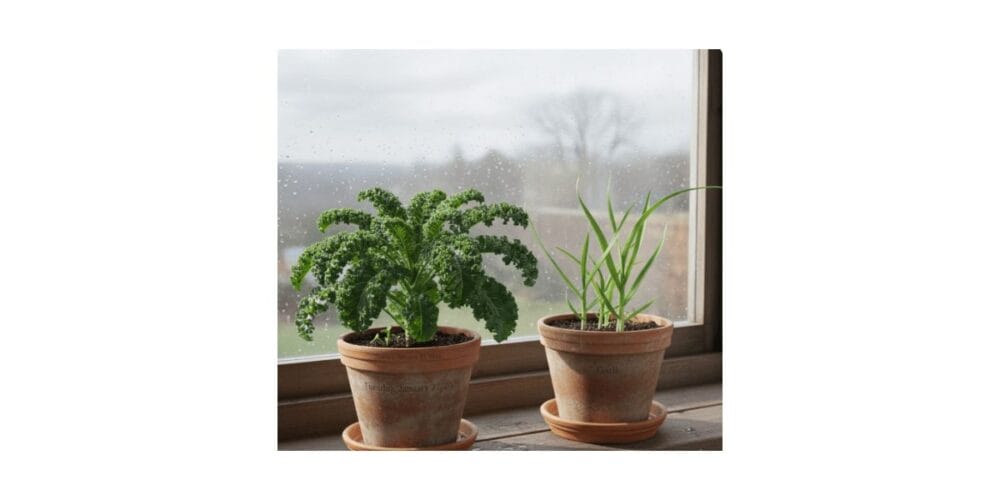
1. Kale and Garlic
Why they work well together:
Garlic is a powerful natural pest deterrent. Its strong scent helps repel aphids, cabbage worms, and flea beetles that often attack leafy greens like kale.
Fall gardening tip:
Plant garlic cloves between kale rows in early fall. Kale matures quickly, while garlic overwinters and continues growing into spring.
Best for:
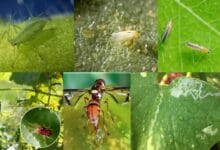
Raised beds, kitchen gardens, and small plots
2. Carrots and Onions
Why they work well together:
This classic combination benefits both plants. Onions deter carrot flies, while carrots help mask the smell of onions, confusing pests.
Fall gardening tip:
Fall-grown carrots are sweeter due to cool temperatures. Plant onions or scallions nearby to keep pests at bay naturally.
Best for:
Loose, well-drained soil beds
Also Read: How to Grow Organic Carrots in a Raised-Bed Kitchen Garden
3. Spinach and Radishes
Why they work well together:
Radishes grow fast and loosen the soil, creating space for spinach roots. They also act as a “trap crop” for leaf pests.
Fall gardening tip:
Harvest radishes early, giving spinach more room to spread as the season progresses.
Best for:
Quick fall harvests and succession planting
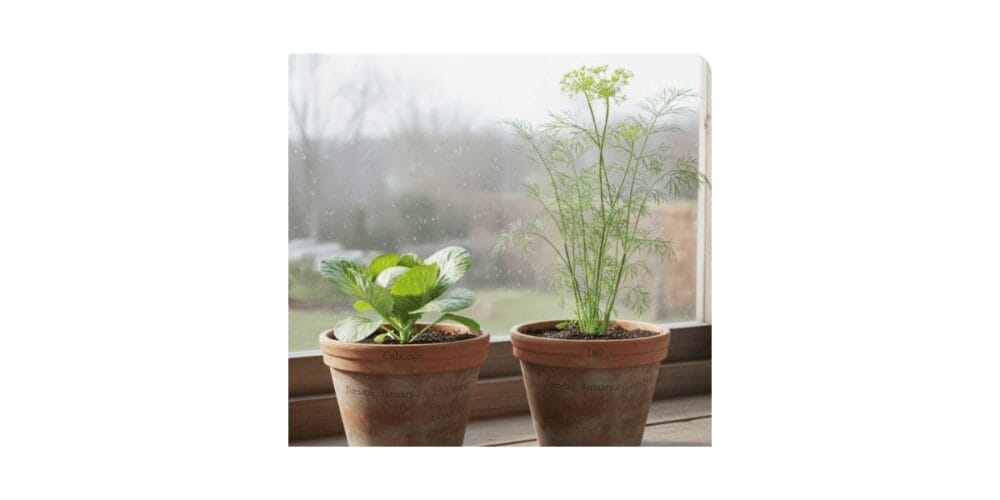
4. Cabbage and Dill
Why they work well together:
Dill attracts beneficial insects like ladybugs and lacewings that feed on cabbage pests such as aphids and caterpillars.
Fall gardening tip:
Allow some dill to flower—it’s especially effective at drawing beneficial insects in cooler months.
Best for:
Organic gardens focused on natural pest control
5. Lettuce and Chives
Why they work well together:
Chives help repel aphids and slugs, two common fall garden pests. Lettuce benefits from the mild protection without competition.
Fall gardening tip:
Chives tolerate cool weather well and can act as a living border around lettuce beds.
Best for:
Containers, raised beds, and salad gardens
Also Read: Lettuce Farming: A Complete Guide for Successful Cultivation
6. Beets and Bush Beans
Why they work well together:
Bush beans fix nitrogen in the soil, benefiting nutrient-loving beets. Beets, in turn, don’t compete heavily for space.
Fall gardening tip:
In mild fall climates, bush beans can still produce before frost, enriching soil for future crops.
Best for:
Soil improvement and balanced nutrient use
7. Broccoli and Chamomile
Why they work well together:
Chamomile improves the flavor and growth of nearby brassicas like broccoli. It also attracts beneficial insects.
Fall gardening tip:
Plant chamomile at the edge of broccoli beds to avoid overcrowding while still gaining benefits.
Best for:
Herb-vegetable mixed gardens
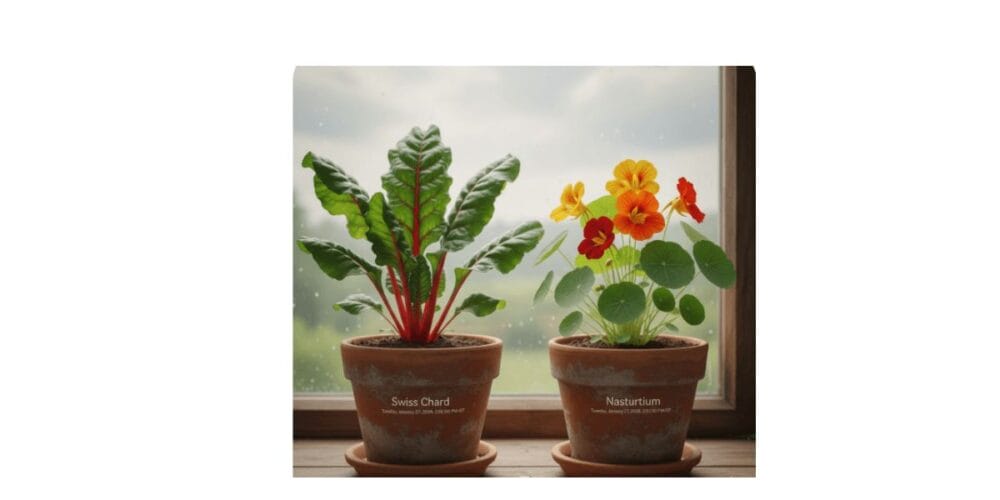
8. Swiss Chard and Nasturtiums
Why they work well together:
Nasturtiums act as a trap crop for aphids and add beautiful fall color. Swiss chard benefits from reduced pest pressure.
Fall gardening tip:
Nasturtiums tolerate light frost and keep blooming late into fall.
Best for:
Decorative and edible gardens
Also Read: How to Grow Your Own Organic Swiss Chard from Seed
9. Peas and Turnips
Why they work well together:
Peas improve soil nitrogen levels, helping turnips develop healthy roots and greens.
Fall gardening tip:
Choose quick-maturing pea varieties for fall planting in cooler regions.
Best for:
Efficient use of vertical and ground space
Tips for Successful Fall Plant Pairings
- Watch spacing: Cool-season crops still need airflow to prevent disease.
- Consider frost tolerance: Pair plants with similar cold hardiness.
- Rotate crops: Avoid planting the same families together year after year.
- Mulch well: Mulch helps regulate soil temperature for all companion plants.
Final Thoughts
Choosing the best plant combinations for the fall garden is a simple yet powerful way to improve yields, reduce pests, and make the most of the cooler growing season. Whether you’re growing leafy greens, root vegetables, or herbs, companion planting creates a healthier, more balanced garden ecosystem.
With thoughtful planning and the right pairings, your fall garden can be just as productive—and even more enjoyable—than your summer one.
Also Read: About The Best Plant Combinations for the Fall Garden on gardenary.com Site